Boulder Roof Pros: Roof Replacement, Leak Repair & Ice Dam Work
Expert residential and commercial roofing services. We start in the attic, because that is where a Boulder winter leak usually begins.
- Boulder Class D-2 roofing license, renewed each year
- Free roof and attic inspection
- Written workmanship warranty on every job
- Emergency tarping and steam ice-dam service
Our Roofing Services in Boulder, CO
Roof Replacement
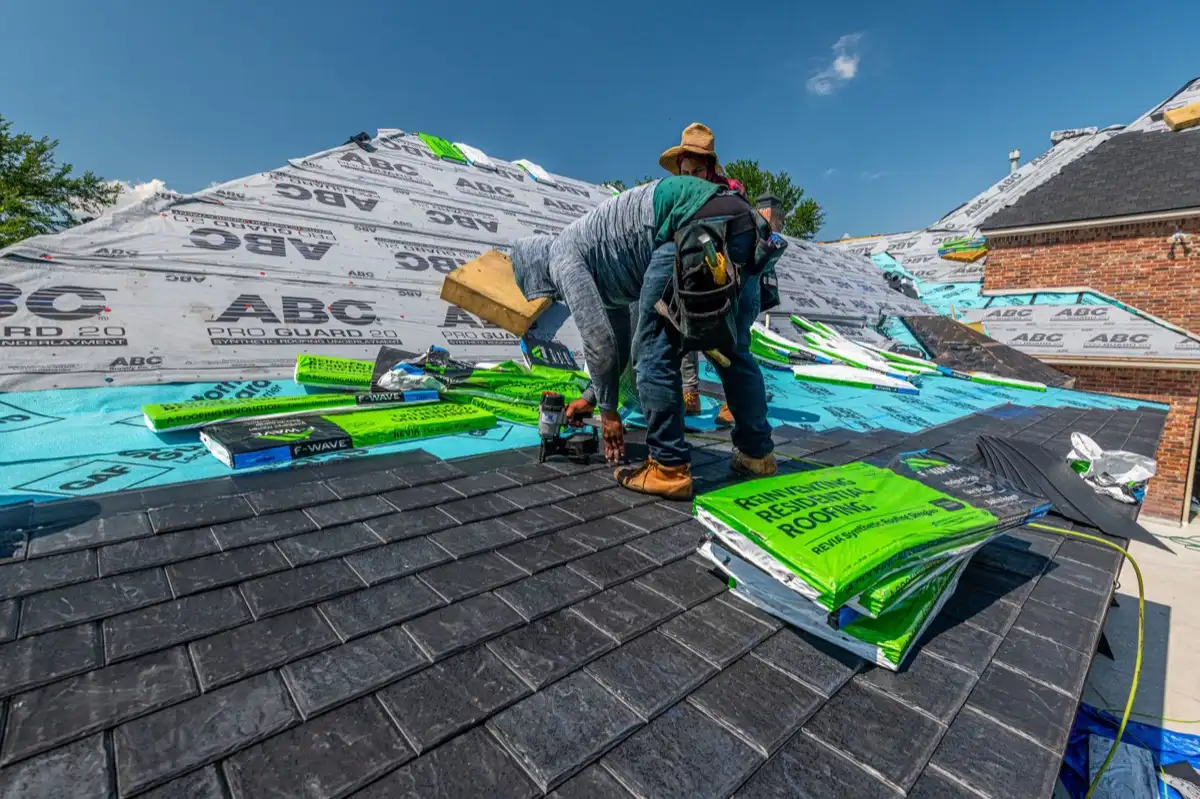
Roof replacement in Boulder is an assembly decision, not a shingle decision. A new covering laid over a plugged soffit and a leaking ceiling plane will build its first ice dam by February, so the deck, the eave protection, the intake and the exhaust get priced as one scope.
Roof Leak Repair
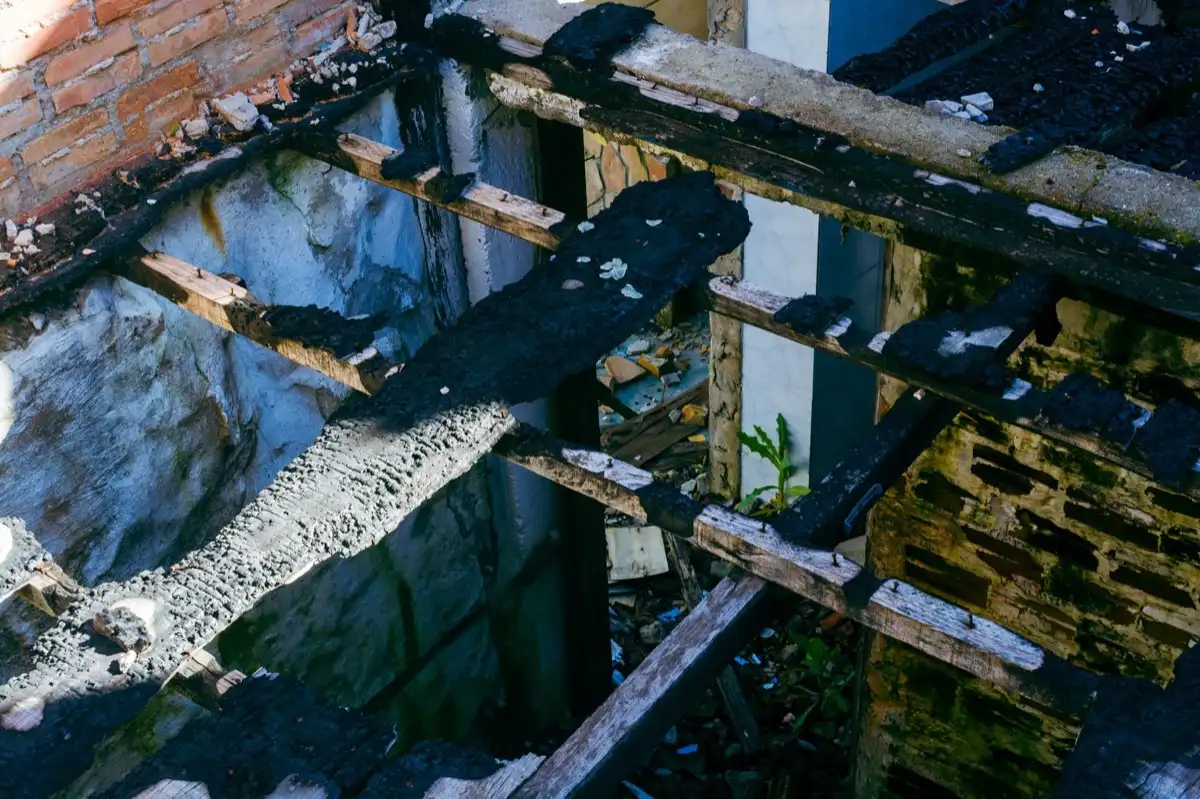
Roof leak repair in Boulder starts with a question most contractors skip: is this water from outside, or is it coming out of your own house? Between November and April, a good share of the ceiling stains we are called about were never rain at all.
Storm Damage Roof Restoration
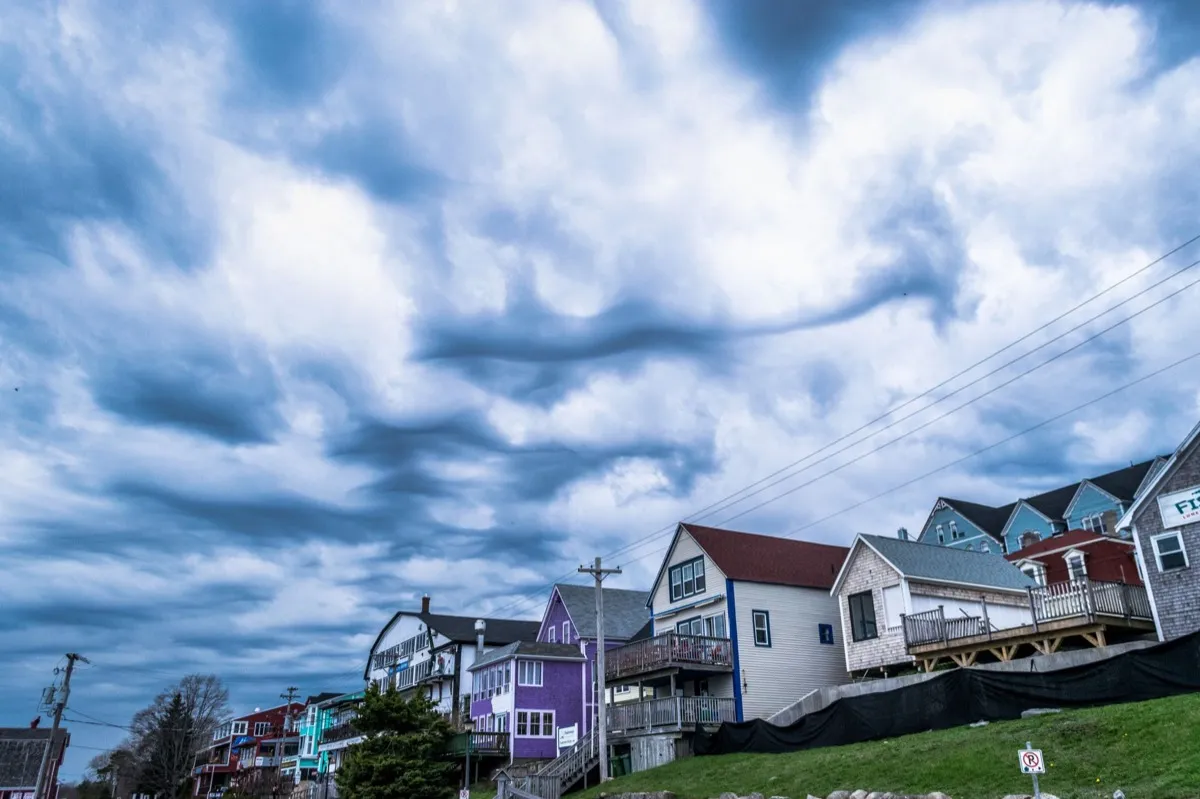
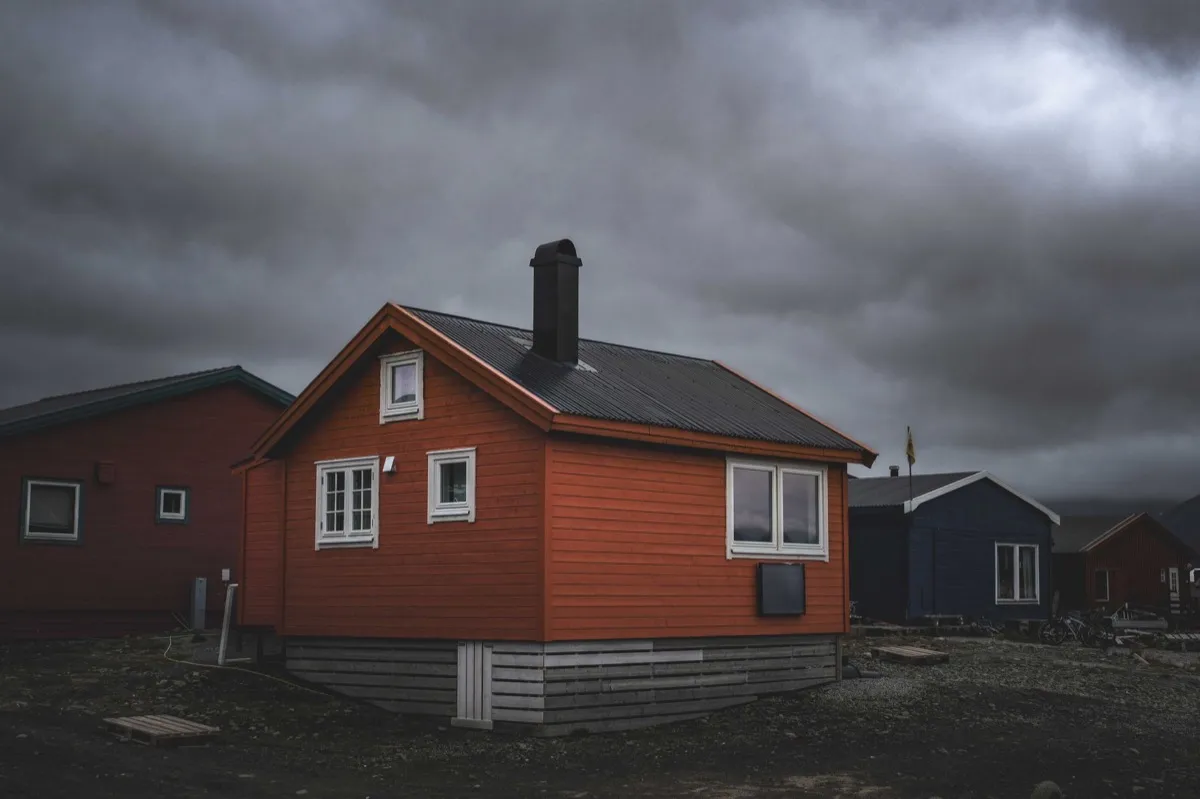
Storm damage roof restoration in Boulder is mostly a spring job, not a summer one. The heaviest storms on this stretch of the Front Range arrive in March and April as wet upslope snow, and wet snow weighs several times what a dry January storm puts on the same roof.
Hail Damage Roof Repair
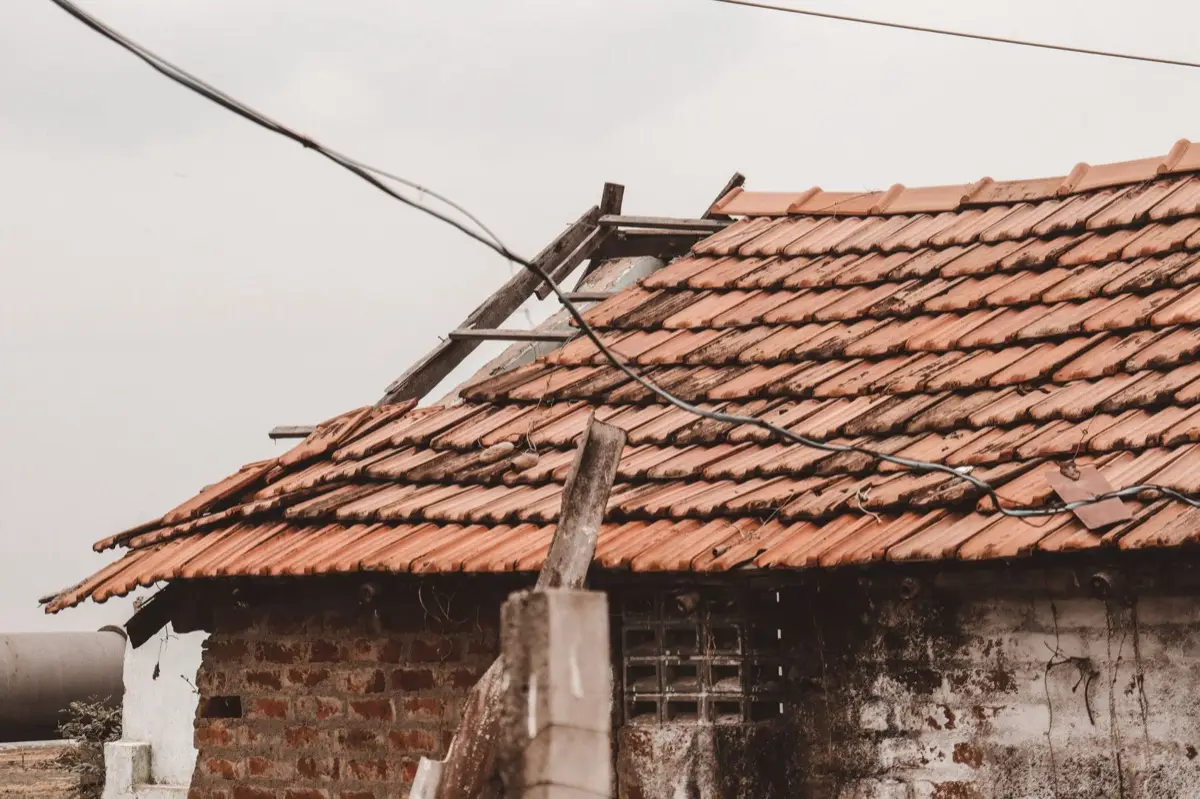
Hail damage roof repair in Boulder has a timing problem. A summer hailstorm bruises a shingle mat without opening it, the roof looks fine from the driveway all autumn, and the leak arrives five months later during the first long melt.
Wind Damage Roof Repair
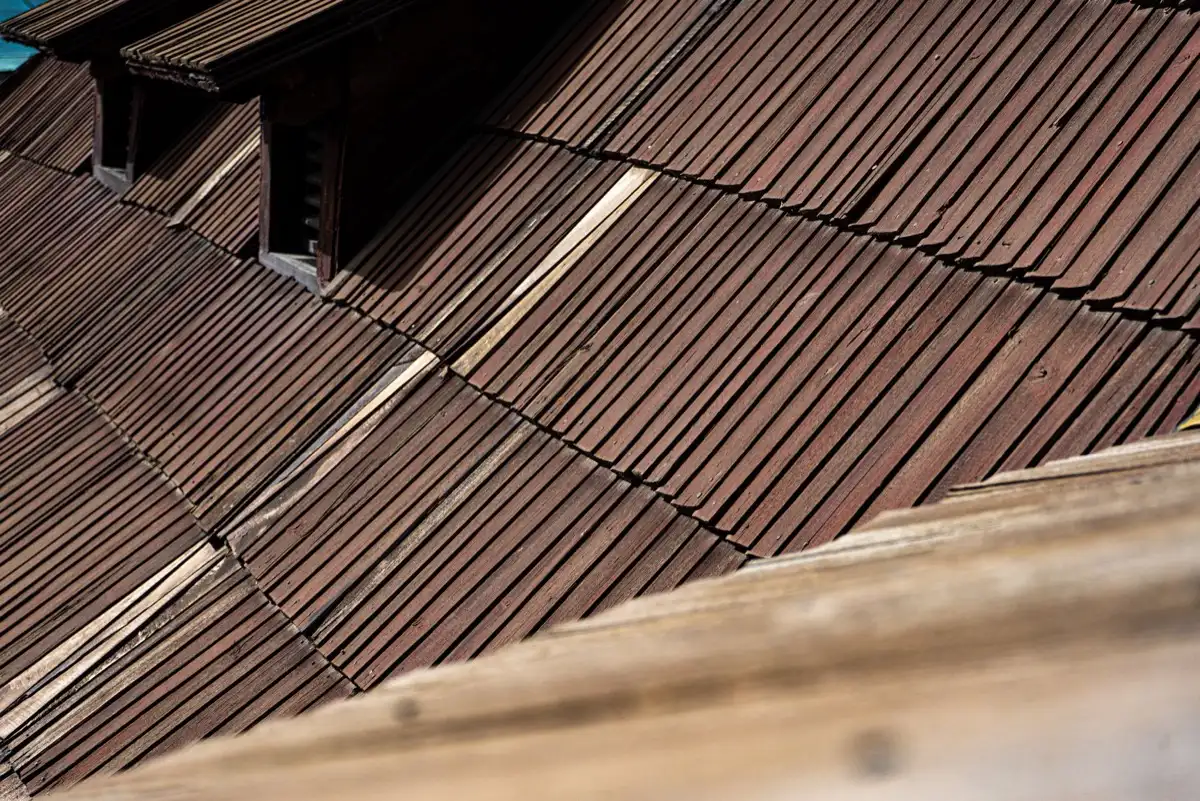
Wind damage roof repair in Boulder deals with a wind almost nowhere else on the plains gets. Downslope windstorms come over the Front Range in winter, accelerate off the foothills, and hit the west side of town hard enough to strip roofs in long strips rather than isolated patches.
Roof Inspections
A roof inspection in Boulder that never opens the attic hatch is half an inspection. Most of what shortens a roof at this elevation happens on the underside of the deck, where nothing is visible from a ladder or a drone photograph.
Asphalt Shingle Roofing
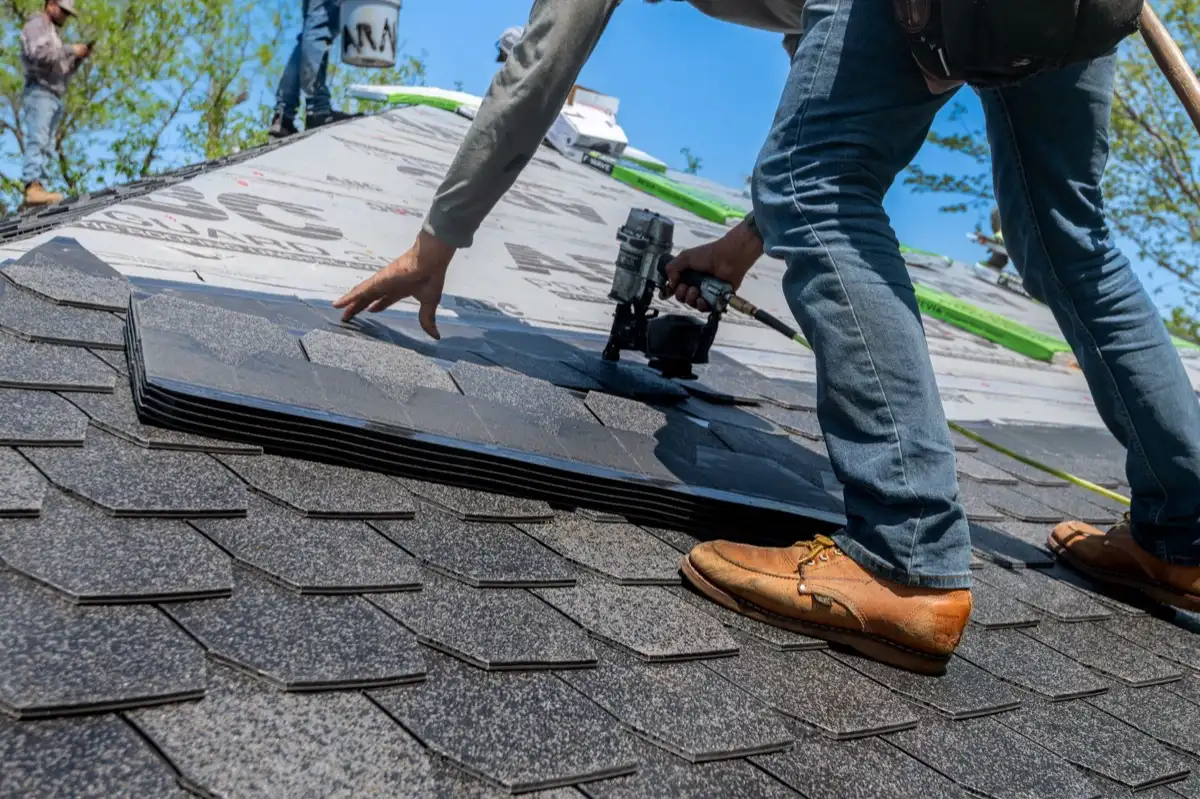
Asphalt shingle roofing is the right default for most Boulder houses, and it is also the covering most often installed wrong for this climate. The shingle itself is rarely the variable that matters.
Metal Roofing
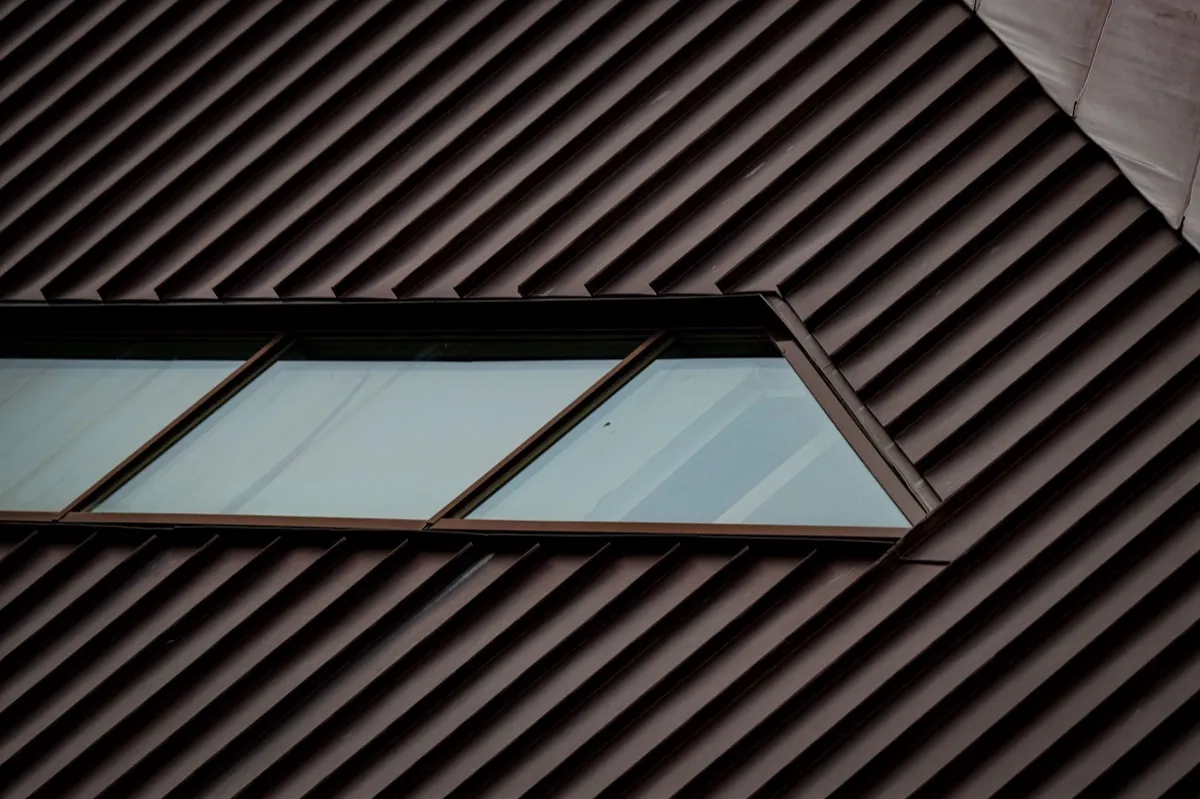
Metal roofing earns its price in Boulder County for one reason ahead of all the others: a standing-seam roof sheds snow instead of holding it, which removes both the load and much of the melt-refreeze cycle that wrecks roofs at the eave. It also creates a hazard the brochure skips.
Tile Roofing
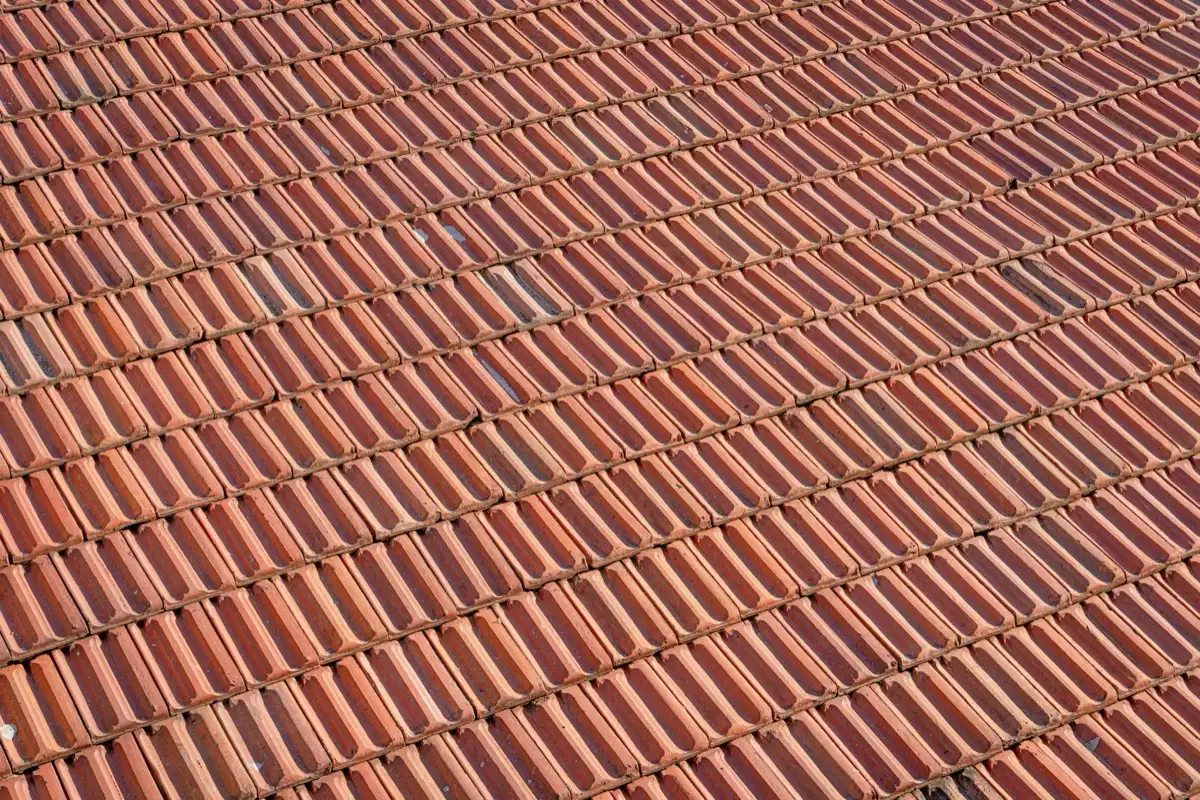
Tile roofing is the one product we usually recommend against on Boulder houses, and we would rather say so before you spend the money than manage the consequences with you for the next twenty years. There are two reasons.
Flat & Low-Slope Roofing
Flat and low-slope roofing in Boulder has to do something a pitched roof never does: hold snow all winter without leaking. Nothing slides off a half-inch-per-foot deck, so the load and the eventual melt both sit there from the first storm until spring.
Roof Coatings & Sealing
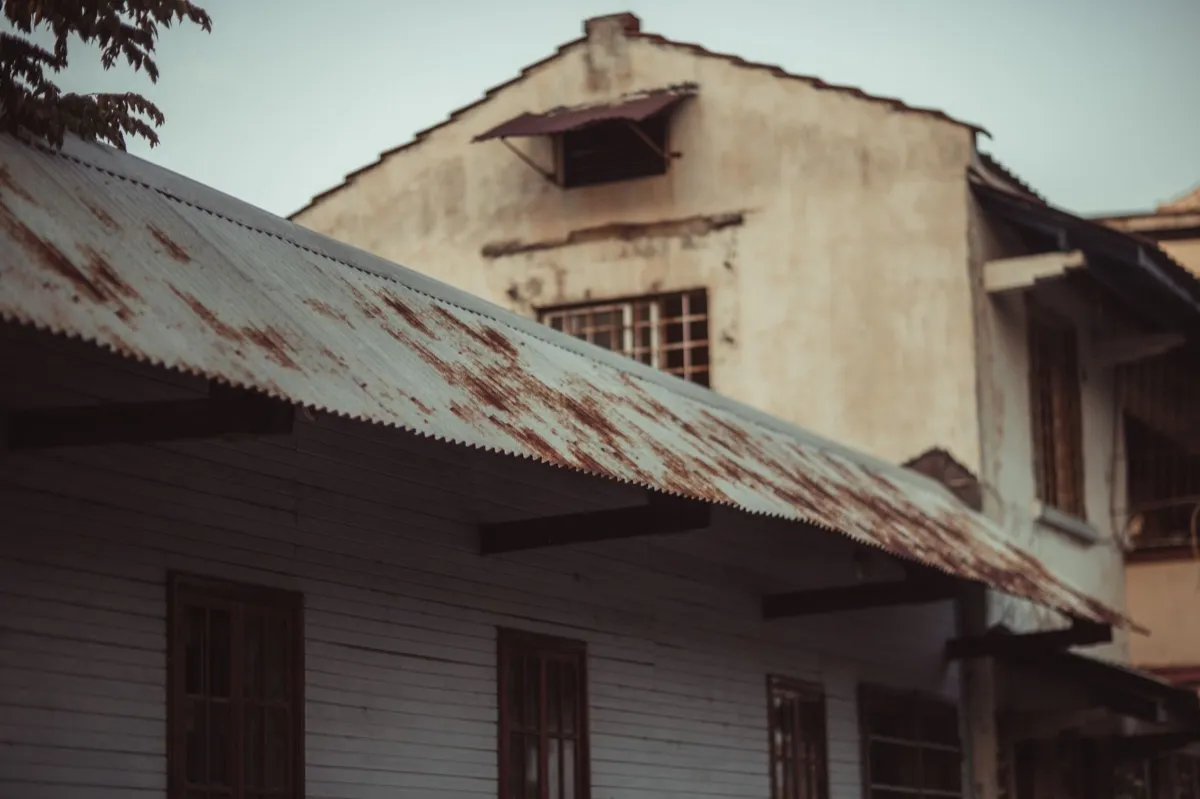
Roof coatings and sealing get sold around Boulder as the cheap alternative to a new roof. Sometimes that is exactly right.
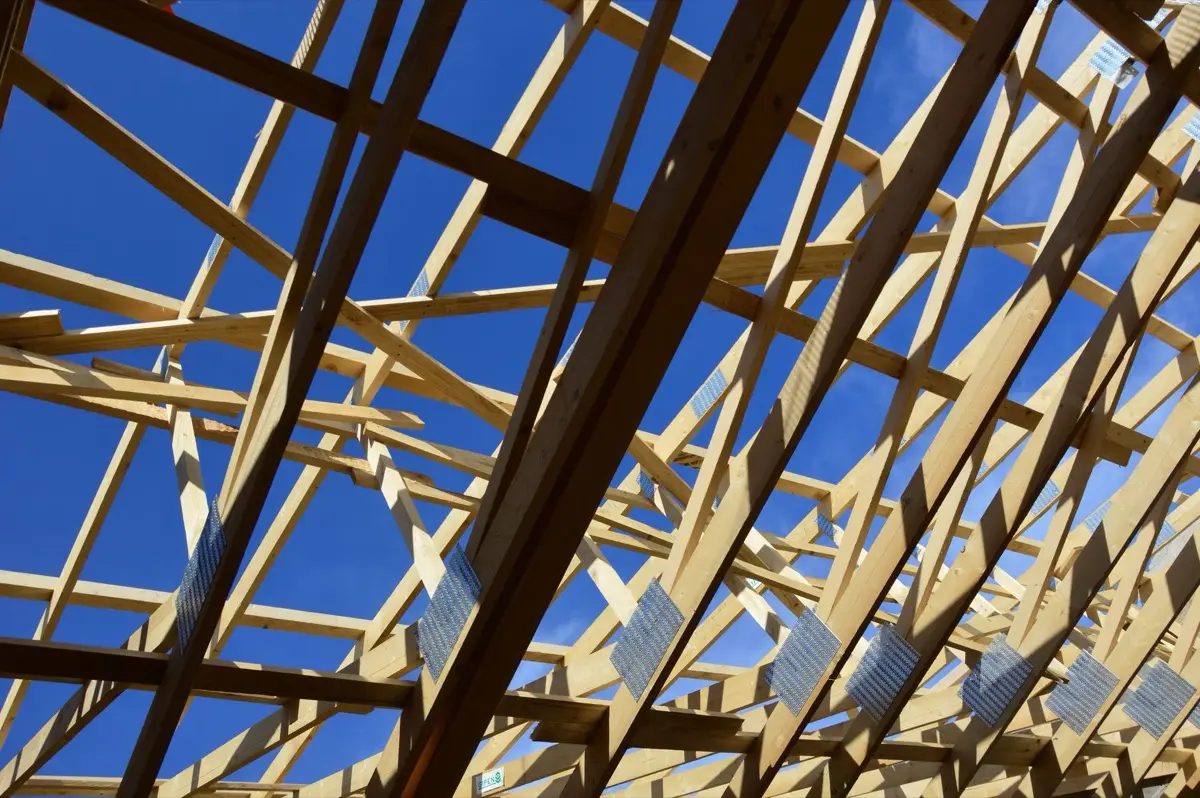
Roof Ventilation
Roof ventilation is where Boulder roofs are won and lost. An ice dam is an attic problem wearing a roof costume: warm air escapes through the ceiling, melts snow from below, and the meltwater refreezes when it reaches the cold overhang.
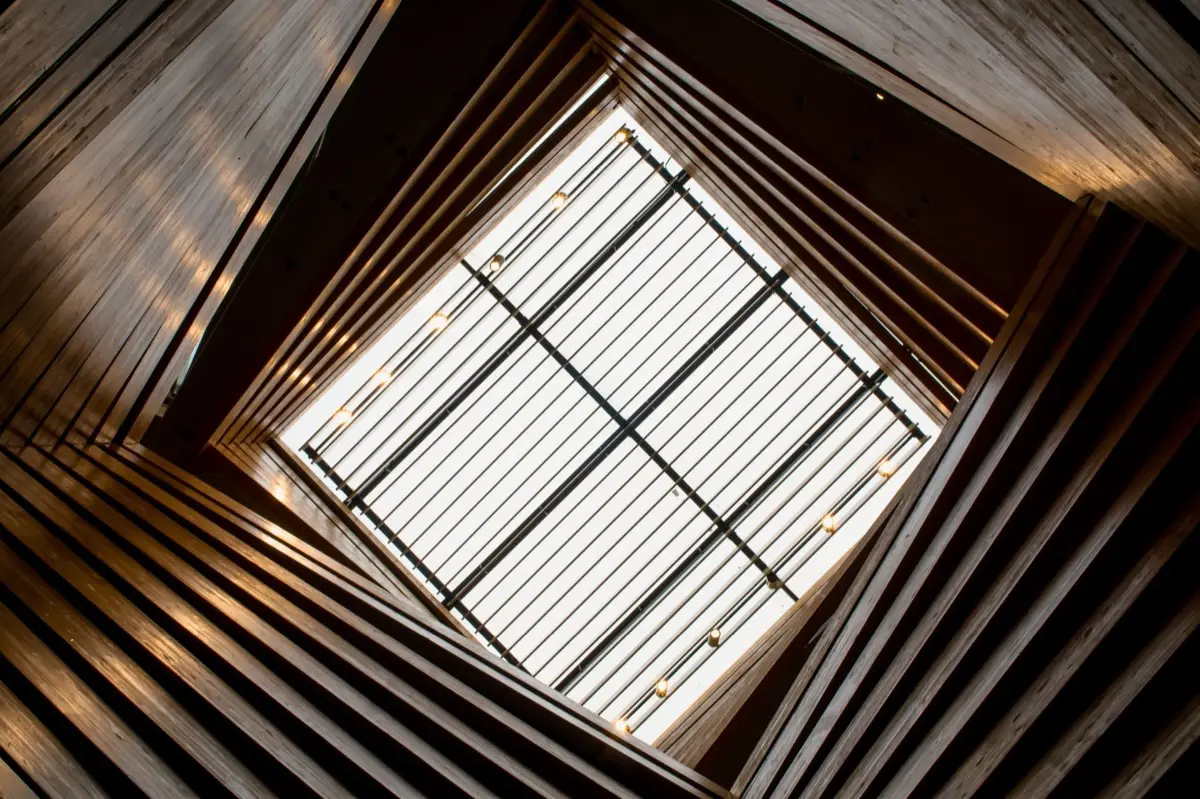
Skylights
Skylights in Boulder are a heat source set into the coldest part of the house, which is why so many of them leak in winter and stay perfectly dry all summer. The unit is usually fine.
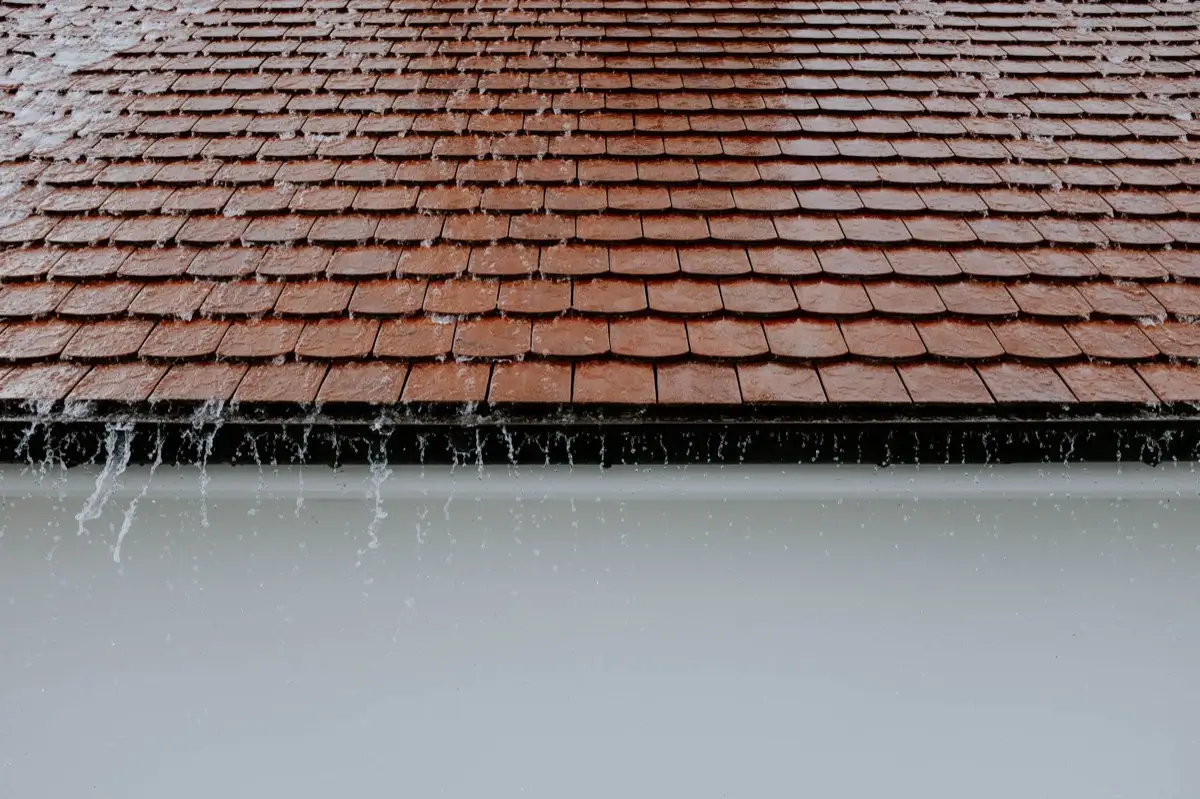
Gutters & Downspouts
Gutters and downspouts in Boulder are asked to do a job they were never designed for: survive ice. A gutter does not cause an ice dam, but a full gutter freezes into one solid block that holds the dam in place, and it tears itself off the fascia doing so.
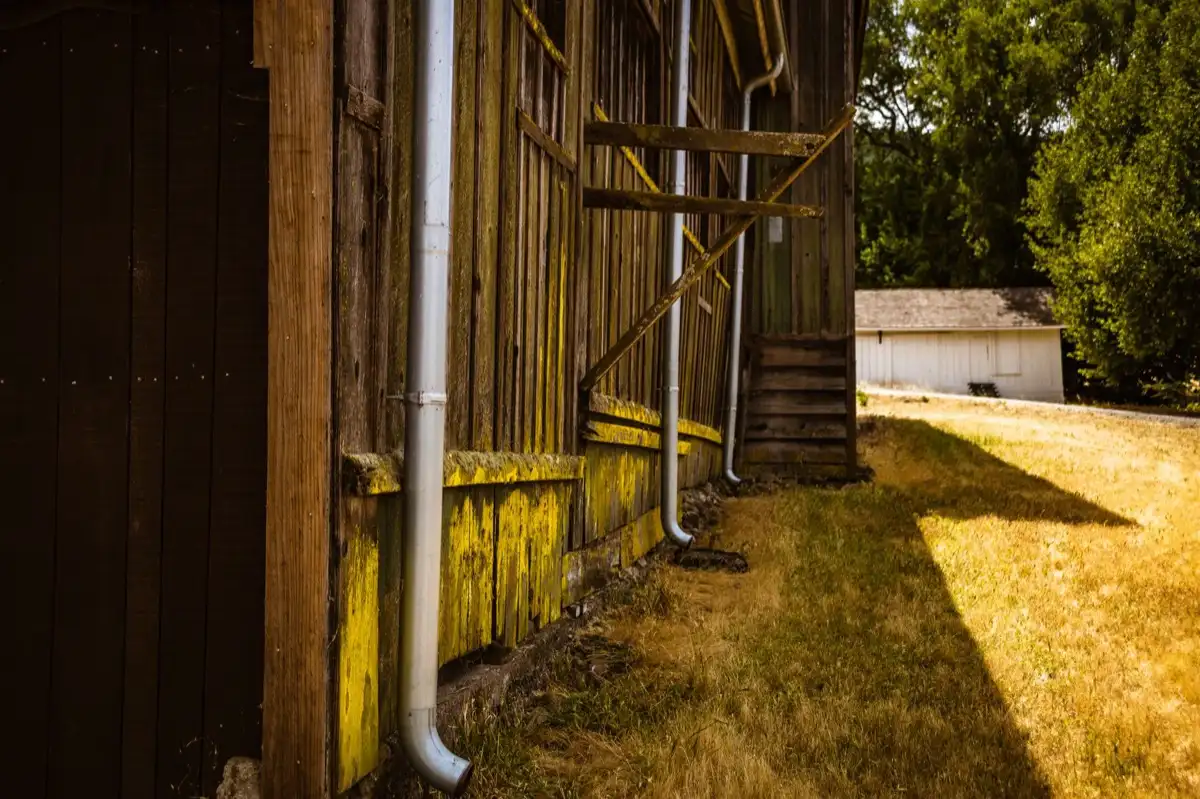
Fascia & Soffit
Fascia and soffit look like trim and behave like plumbing. The soffit is the intake half of your ventilation system, and when it has been painted shut or stuffed with blown insulation, everything above it stops working properly.
Chimney Flashing
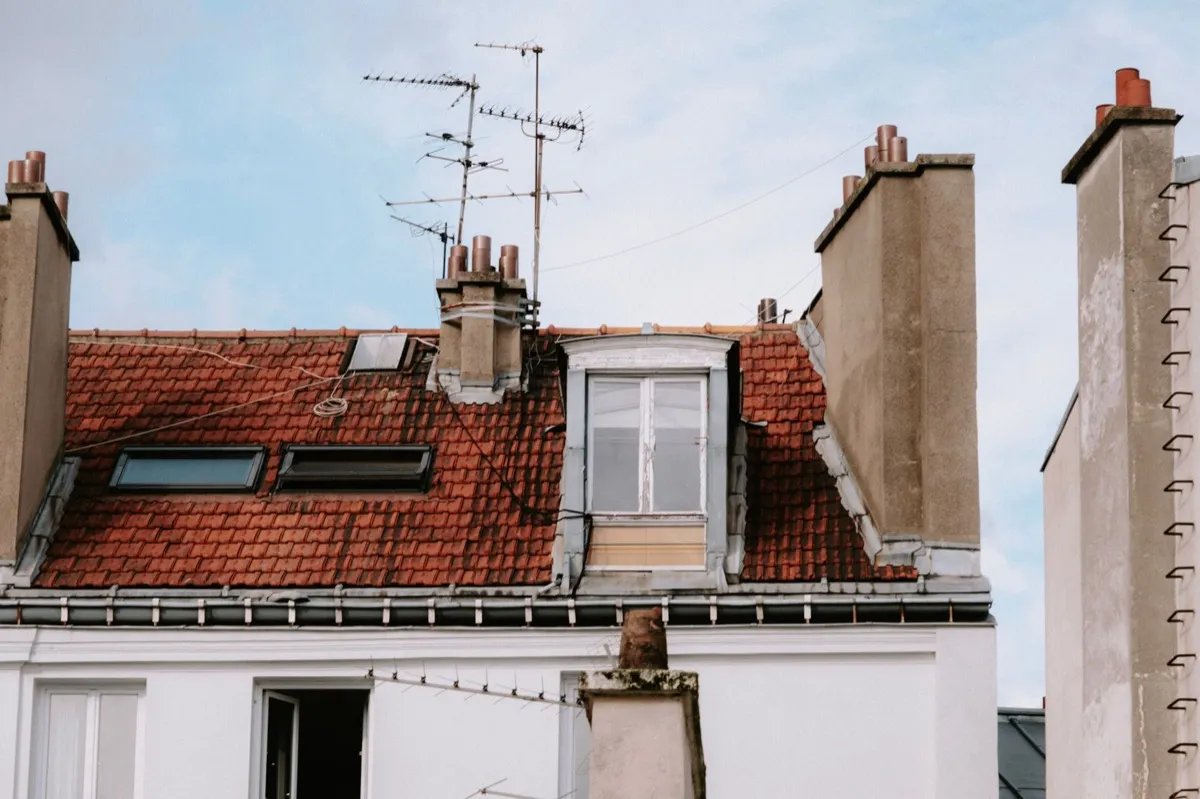
Chimney flashing is the leak we get called about most often during a Boulder winter, and the reason is geometry. A chimney is a wall standing in the middle of a roof where snow collects, and the upslope side of it becomes a dam every single year.
Emergency Roof Tarping
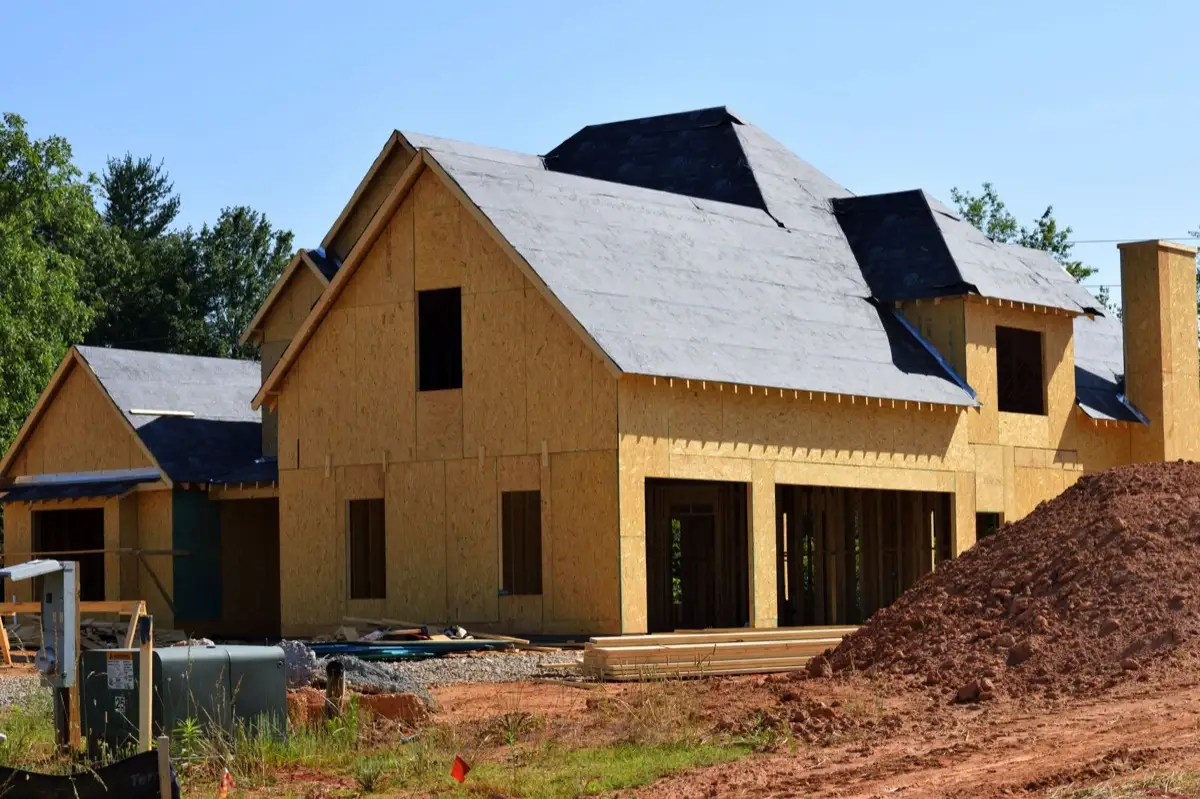
Emergency roof tarping in Boulder often happens on a roof carrying a foot of snow, which changes the job completely. You cannot dry in a surface you cannot see, and you cannot walk a slope with an inch of clear ice hiding under fresh powder.
Commercial Roofing
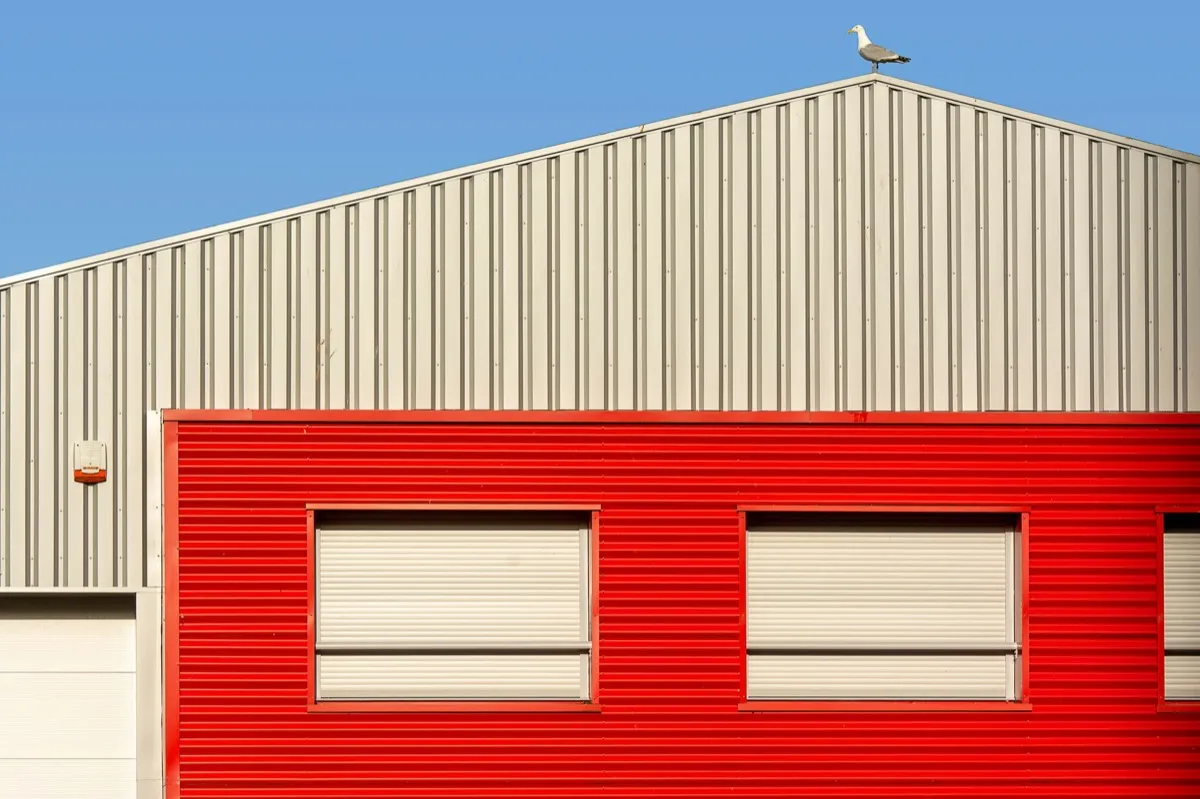
Commercial roofing in Boulder deals with snow that never leaves. A low-slope membrane holds every storm until spring, and the drift that builds against a parapet or a taller adjacent wall is the load that actually governs how the roof has to be built.
Insurance Claim Support
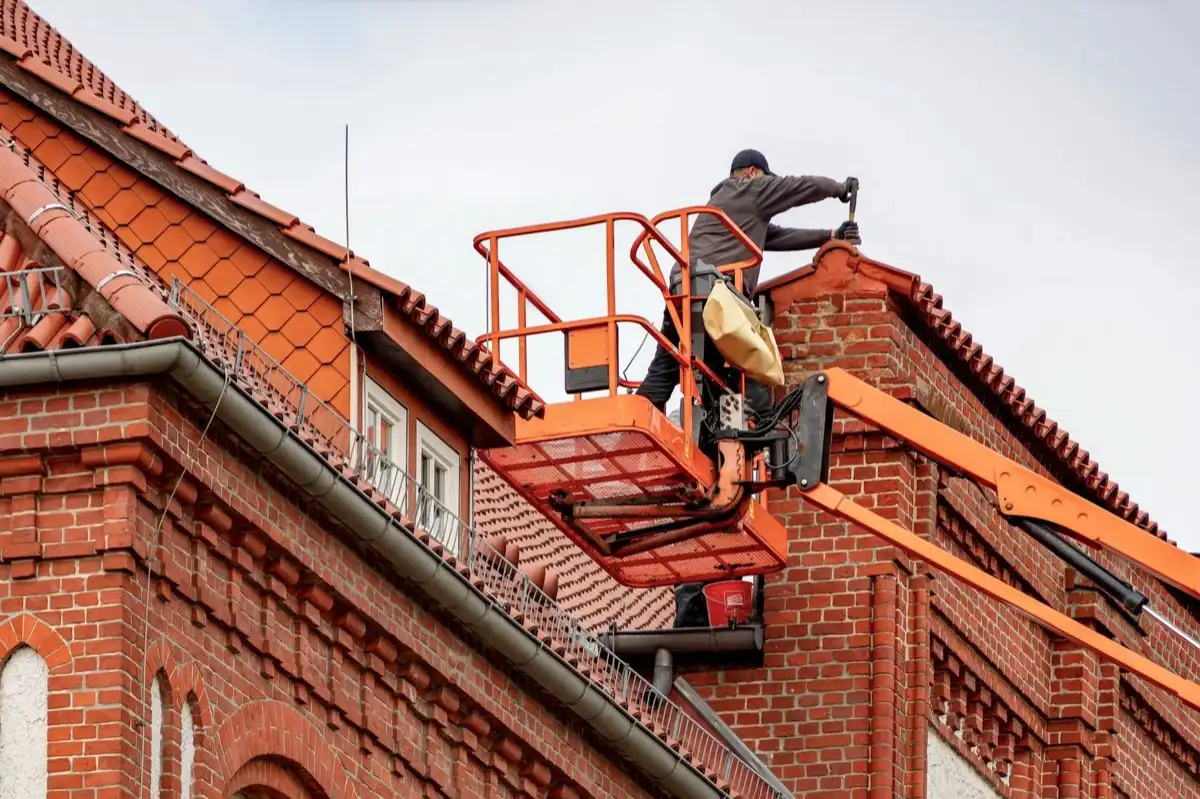
Insurance claim support means documenting what happened to your roof accurately and letting the policy decide the rest. We are roofers, not adjusters, and the most valuable thing we do is get the evidence right before anything gets covered up.
Boulder Roof Pros is a licensed and insured roofing contractor working across Boulder, CO on roof replacement, roof leak repair, storm and hail damage restoration, asphalt shingle and metal roofing, tile and flat low-slope systems, roof coatings, ventilation, skylights, gutters and downspouts, fascia and soffit, chimney flashing and commercial roofing for houses, HOAs, offices and light industrial buildings.
What separates a roof that lasts at this elevation from one that leaks every February is what happens at the eave and above the ceiling. Self-adhering ice barrier, balanced soffit intake and ridge exhaust, air sealing at top plates and recessed cans, and snow retention on metal panels go into the original scope, because those are the parts that stop melt-refreeze instead of decorating it.
Every job is quoted in writing with the materials and the reasoning named, backed by a written workmanship warranty, and installed by our own crews rather than sold to a subcontractor at the curb. You get a free roof and attic inspection, photographs of everything we found, and a straight answer about whether you need work at all, including the times the answer is no.
What Boulder Customers Say
They found frost on the underside of my deck and told me the roof was fine, which no other company bothered to check. Air sealed the attic, fixed two soffit runs, and the ceiling stains have not come back.
Full replacement with ice barrier and new intake vents. The scope listed every material and why it was there, the crew re-decked two bad sheets without drama, and the price at the end matched the quote.
Standing seam with snow fences over both entries. They walked the property first and moved the guard layout after seeing where snow was landing on the propane tank. Two winters in with no slides onto the walkway.
Called about a leak over the kitchen and it turned out to be the bath fan venting into the attic. They ducted it out through the roof, fixed the flashing, and charged a repair price instead of selling me a roof.
Why Boulder Chooses Boulder Roof Pros
- ✓We open the attic on every roof call, because most winter leaks in this county start above the ceiling rather than on the shingles.
- ✓Ice barrier and ventilation are priced into a replacement from the start, not sold as an upsell once the deck is open.
- ✓We measure existing soffit intake before quoting a ridge vent, since exhaust without intake pulls warm air out of the house.
- ✓Snow retention is laid out over doors, walkways and gas meters before any metal panel goes on the roof.
- ✓We will tell you when heat cable is the cheap right answer and when it is only hiding a defect that keeps spreading.
- ✓Written scopes name the material and the reason for each detail, so you can check the roof against the paperwork.
About Boulder Roof Pros in Boulder, CO
Boulder Roof Pros is a licensed and insured roofing contractor working in Boulder, CO and across the northern Front Range, on everything from a cracked pipe boot to a full commercial membrane replacement. Our crews are our own, and the person who inspects your roof is the person who writes your scope and answers the phone afterwards.
We are opinionated about one thing, and it comes from working at altitude: a roof in this county is an assembly, not a product. Ice barrier at the eave, balanced intake and exhaust, and an air-sealed ceiling plane decide whether a roof lasts here, so we would rather sell you those three than a premium shingle laid over an unchanged attic.
When not to hire us. If your shingles have five good years left and the real problem is heat loss, an insulation contractor will do more for your house this year than we will. If you want a roofer who offers to cover your deductible, we are not that company, because doing it is illegal in Colorado. And when a repair will genuinely hold, we quote the repair and tell you to spend the rest somewhere else.
How It Works
- 1
We Start in the Attic
Every estimate begins with the hatch and a flashlight. Frost on sheathing, buried baffles, insulation depth and the places warm air is escaping tell us whether you have a roof problem, an attic problem, or both, before anybody quotes a shingle.
- 2
A Written Scope With the Assembly Named
You get a line-item scope naming the underlayment, the eave membrane, the fastening pattern, the intake and exhaust area and every flashing detail. Where a code requirement drives a detail we say which one, so you can check the work against the paper.
- 3
Tear-Off, Deck, Ice Barrier, Ventilation
We strip to bare deck, replace anything that will not hold a fastener, run ice barrier at eaves and valleys, install the covering to the high-wind pattern, and correct the intake and exhaust before the last course goes down.
- 4
Clean-Up, Warranty, First-Storm Check
We sweep with rolling magnets, walk the finished roof with you, register the manufacturer warranty and hand over the photo file. Then we check back after the first heavy storm of the season, because that is the real inspection.
Commercial & HOA Roofing in Boulder: Low-Slope Membranes, Drift Loads and Rooftop Equipment
Commercial roofs in Boulder hold their snow. A low-slope membrane carries every storm from November until the spring melt, and the drift that builds against a parapet or a taller adjacent wall is usually the load that governs the design rather than the average depth out on the field.
Rooftop equipment compounds it. Every curb, duct and conduit run acts as a snow fence, and the drift behind a large air handler is where we find crushed insulation, ponding and the leaks that follow. We install 60- and 80-mil TPO and PVC over tapered polyisocyanurate with a high-density cover board where impact or foot traffic warrant it, insulate the drain bowls, set overflow scuppers above the primary drain line, and lay walkway pads on every service route.
Work is phased so no section sits open overnight, with a written dry-in plan and a forecast trigger that stops work before a storm rather than in the middle of one. Laboratory and research buildings, retail, offices, HOA townhome rows and light industrial are all regular work for us.
- ✓60 and 80 mil TPO and PVC, fully adhered or mechanically fastened
- ✓Tapered polyisocyanurate to move meltwater toward more than one drain
- ✓Insulated drain bowls, strainers and overflow scuppers above the drain line
- ✓Drift-load review at parapets, taller walls and rooftop equipment curbs
- ✓Walkway pads on every route a technician uses in winter
- ✓Phased tear-offs with a daily written dry-in plan and a forecast stop trigger
- ✓Autumn and spring maintenance visits with a documented penetration plan
- ✓Night and weekend scheduling for labs, clinics and occupied retail
Service Areas
Boulder Roof Pros serves Boulder, CO and surrounding communities including:
Recent Projects Across the northern Front Range
Frequently Asked Questions
Why does my roof only leak in the winter?
Because a lot of what looks like a winter roof leak is heat getting out rather than water getting in. Warm air escapes through recessed lights and top plates, freezes as frost on the underside of the deck, then melts onto the ceiling on the first sunny day. The other winter cause is an ice dam at the eave holding water above the flashing until it finds a nail hole. Both are diagnosed from inside the attic.
What actually causes an ice dam on a Boulder roof?
Heat loss, not bad shingles. Snow on the roof acts as insulation, escaping house heat melts its underside, and that meltwater refreezes when it reaches the unheated overhang. The dam grows uphill and water backs up behind it. Shade, north-facing planes, valleys, skylights and chimneys make it worse, but the fuel is always warm air leaving the house through the ceiling.
Is heat cable worth installing on my roof?
Sometimes, and it is not a substitute for fixing the cause. On a shaded north dormer or a valley that no amount of air sealing will keep dry, heat cable is the practical answer and we install it. On a house where the attic hatch leaks warm air and the soffit vents are buried, it is a monthly electricity bill paid to hide a problem that keeps spreading. We will tell you which one you have.
Will a metal roof stop my ice dams?
Usually it reduces them, because a standing-seam roof sheds snow instead of holding it, so there is less snow to melt from underneath. It does not fix heat loss, and it introduces a new issue: snow leaves metal all at once. Anything below that eave, including entries, walkways, gas meters and gutters, needs snow retention designed for the slope and the elevation.
How much insulation and ventilation does an attic here need?
Air sealing first, then insulation to current code for this climate zone, then balanced ventilation of roughly one square foot of net free area per 300 square feet of attic floor, with at least half of it as low intake at the soffit. The order matters. Adding ridge vent without opening the intake makes the ridge pull air out of the house instead of the eave.
Can you reroof in winter, or should I wait for spring?
We do emergency and repair work all winter, and we schedule full replacements for conditions that let the materials work. Self-adhering membrane will not bond to a frozen deck and shingle sealant strips do not activate much below 40 degrees, so a January install needs hand-sealing and still carries risk. If your roof can be stabilized through the season, waiting for a dry spring or autumn window buys a better roof.